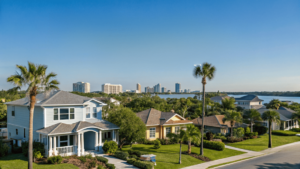
Buying a single family house in Miami in 2026 is no longer about racing against dozens of competing offers or making rushed decisions under pressure. The market has shifted into a strategy-driven environment where informed buyers have more time to evaluate neighborhoods, negotiate intelligently, and prioritize long-term value over short-term urgency.
While Miami remains one of Florida’s most dynamic housing markets, the post-2024 reset has changed how value is defined. Price appreciation alone is no longer the primary driver of a “good deal.” Instead, buyers must focus on neighborhood fundamentals, school quality, insurance exposure, flood mitigation, commute efficiency, and long-term livability.
This guide breaks down exactly how to buy a single family house in Miami in 2026—what’s driving demand, where buyers still have leverage, which neighborhoods perform best over time, and how to avoid common mistakes that can erode value after closing.
Table of Contents
ToggleUnderstanding Miami’s Single Family Housing Market in 2026
Miami’s housing market has transitioned from a speculative cycle to a fundamentals-based market. This shift benefits buyers who approach the process with preparation, patience, and data.
Key characteristics of the 2026 market include:
- Uneven competition depending on zip code and price range
- Constrained inventory in established, family-oriented neighborhoods
- Slower absorption in luxury and overbuilt segments
- Increased focus on insurance, flood exposure, and infrastructure
- Buyers negotiating terms instead of just price
Mortgage rates remain higher than historic lows, but they are more predictable. Many buyers are proceeding with purchases under the assumption that refinancing may be possible later, while the right property and neighborhood cannot be replaced once inventory tightens again.
Why Single Family Homes in Miami Remain in Demand
Despite affordability challenges, demand for single family homes in Miami remains structurally strong. This is not driven by speculation-it is supported by long-term demographic and supply factors.
Demographic Shifts Are Durable
Miami continues to attract high-income households, professionals, and families relocating from higher-tax states. Many of these buyers are purchasing with long-term ownership in mind, prioritizing space, privacy, and stability rather than short-term appreciation.
Inventory Is Structurally Limited
Many of Miami’s most desirable neighborhoods are landlocked, meaning new single family construction is extremely limited. This structural constraint supports pricing even during slower market cycles.
Family-Oriented Demand Is Concentrated
Neighborhoods with strong schools, safety, and predictable resale demand continue to outperform. These areas experience fewer price swings and recover faster during market corrections.
Tax Structure Supports Ownership
Florida’s property tax framework continues to favor long-term homeowners, particularly those who qualify for homestead benefits. Over time, this reduces effective ownership costs relative to high-tax states.
Infrastructure and Resilience Investment
State and county investments in drainage, stormwater systems, and flood mitigation have become a key factor in buyer confidence. Neighborhoods with documented infrastructure upgrades tend to attract more consistent demand.
Best Neighborhoods and Zip Codes for Single Family Homes (2026)
In 2026, success in Miami depends heavily on zip-code-level analysis. Market conditions can change dramatically within just a few miles.
Top Neighborhoods for Schools and Long-Term Stability
Pinecrest (33156)
Pinecrest remains one of Miami’s most reliable family markets. Large lots, strong public schools, and consistent demand make it a top choice for buyers prioritizing stability over speculation. Prices are higher, but resale confidence remains strong.
Coral Gables (33134, 33146)
Known for historic architecture, walkability, and central access, Coral Gables attracts buyers who value character and long-term livability. Inventory is limited, supporting pricing even in slower markets.
Coconut Grove (33133)
Coconut Grove appeals to buyers seeking a village-like environment with parks, waterfront access, and community identity. While pricing can be premium, demand remains resilient due to lifestyle and location.
Value-Oriented Family Alternatives
Kendall (33173, 33176, 33186)
Kendall offers more accessible pricing, larger homes, and newer construction relative to central Miami. Commutes are longer, but value per square foot remains attractive for space-driven buyers.
Palmetto Bay (33157)
A quieter, suburban market favored by families planning long-term ownership. Appreciation tends to be steady rather than explosive, but downside risk is lower.
Shenandoah (33145)
Popular with buyers who want proximity to downtown employment centers without premium pricing. Older housing stock offers renovation potential but requires careful inspection and insurance review.
Why Infrastructure and Flood Risk Matter More in 2026
Flood exposure and insurance costs have become central to home affordability in Miami. Buyers in 2026 must evaluate:
- Elevation and flood zone classification
- Roof age and storm resistance
- Drainage upgrades in the neighborhood
- Prior insurance claims history
Neighborhoods receiving stormwater and flood-mitigation investments tend to maintain buyer confidence even when insurance markets tighten. Ignoring these factors can lead to unexpected ownership costs that outweigh a lower purchase price.
Neighborhood Value: Where Buyers Overpay-and Where They Win
Common Ways Buyers Overpay
- Paying for lifestyle branding instead of fundamentals
- Ignoring school quality and future education costs
- Overestimating demand for ultra-luxury new construction
- Underestimating insurance and maintenance on older homes
Overpayment is most common when decisions are driven by emotion or short-term trends rather than data.
Where Strategic Buyers Find Value
- Homes sitting longer due to pricing mismatches
- Higher-end properties where supply exceeds demand
- Neighborhoods benefiting from long-term infrastructure upgrades
- Purchases made before rate cuts reignite competition
In 2026, patience is a competitive advantage.
Schools and Education: A Core Driver of Resale Value
School quality remains one of the most consistent predictors of long-term home performance in Miami.
Key patterns in 2026:
- Suburban school zones often provide better value than urban cores
- Top-performing districts command higher prices but retain demand
- Walkable neighborhoods with solid schools outperform lifestyle-only markets
- Private and magnet schools create flexibility but add cost considerations
For family buyers, purchasing in a strong school zone reduces downside risk during market slowdowns.
Commute, Transportation, and Daily Life
Commute efficiency has become a hidden cost that directly affects quality of life and resale demand.
- Living closer to employment centers can offset higher housing costs through time savings
- Transit-oriented areas benefit from rail and mixed-use development
- Suburban areas trade longer commutes for space and affordability
- Buyers should test real rush-hour conditions, not ideal travel times
Neighborhoods that balance access, safety, and livability tend to attract the broadest buyer pool over time.
Practical Strategy Tips for Buying in Miami (2026)
Experienced buyers approach the 2026 market with discipline:
- Slow the process and focus on due diligence
- Target stale listings where leverage exists
- Negotiate credits instead of repairs
- Treat insurance approval as an early filter
- Model long-term tax and ownership costs
- Buy neighborhoods, not finishes
The strongest purchases are made when buyers resist urgency and focus on fundamentals.
Final Thoughts:
Buying a single family house in Miami in 2026 is no longer about speed—it is about strategy, selectivity, and long-term thinking. With inventory uneven by neighborhood and pricing driven by fundamentals, the best outcomes come from understanding how schools, infrastructure, commute, insurance, and tax structure work together.
Established neighborhoods reward durability and resale confidence. Emerging areas offer upside for patient buyers. Family-oriented suburbs continue to provide value when livability is weighed alongside price.
For buyers who prioritize long-term fundamentals over short-term hype, Miami remains a compelling-though highly nuanced-market in 2026.
FAQs
1. Is 2026 a good year to buy a single family house in Miami?
Market conditions are more balanced than in recent years. The right time depends on financial readiness and long-term plans.
2. Why is demand still strong for single family homes?
Limited inventory, continued migration, tax advantages, and infrastructure investment support ongoing demand.
3. Which neighborhoods are best for families?
Pinecrest, Coral Gables, Coconut Grove, Kendall, and Palmetto Bay remain top choices.
4. How important are schools when buying in Miami?
Schools are one of the most reliable drivers of long-term value and resale demand.
5. What matters more than price in 2026?
Neighborhood quality, insurance risk, commute efficiency, school zones, and long-term ownership costs.