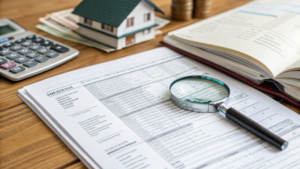
“I’ve seen buyers breathe a sigh of relief at Closing on a House—and I’ve also seen deals nearly unravel at the table.”
Buying a home isn’t just about browsing listings, negotiating offers, or locking in a mortgage rate. The real test of your preparation comes at Closing on a House—the final stage where ownership legally transfers from seller to buyer. For first-time buyers, it can feel overwhelming: stacks of paperwork, thousands in fees, and the pressure of knowing one mistake could delay the entire process.
A recent Yahoo Finance update (Sept 2025) underscored how much is at stake. It explained the steps involved in closing, from escrow deposits to title verification, and highlighted just how costly this stage can be. On average, buyers pay 3–4% of the purchase price in closing costs while sellers typically pay 1–3%. On a $300,000 home, that’s $9,000–$12,000 for the buyer alone. Add in the fact that the average time to close hovers around 43 days, and you can see why Closing on a House demands more than just a signature.
So, why does closing matter so much—and what should you expect? Let’s unpack the key lessons I’ve learned from guiding buyers and sellers through dozens of closings.
Table of Contents
ToggleClosing on a House: 4 Key Insights Every Buyer and Seller Should Know
1. Closing Costs Aren’t Fixed—They’re Negotiable
When most people hear “closing costs,” they imagine a set number, like a non-negotiable service fee. In reality, closing costs are a collection of fees—appraisals, title searches, escrow deposits, loan origination fees, and more. And many of them can be negotiated.
For example, some lenders may waive the loan origination fee if you have strong credit or agree to a slightly higher interest rate. Sellers, especially in a buyer’s market, may agree to cover part of your costs to make the deal go through. On a $300,000 purchase, shaving even 1% off closing costs saves you $3,000. That’s money better spent on furniture, renovations, or simply padding your emergency fund.
2. The Timeline to Close Is Longer Than Most Expect
Industry averages suggest closing takes about six weeks, but that’s not always the reality. Appraisal delays, title disputes, or last-minute underwriting issues can push the timeline to two months or more. I once had clients who assumed they’d close in 30 days, only to hit a snag when the title company uncovered an old tax lien. Resolving it delayed the process by three weeks.
The takeaway? Don’t plan major moves—literally or financially—until your closing is final. Hold off on new debt (like a car loan), keep your credit steady, and avoid big purchases that could change your debt-to-income ratio. Lenders do a last-minute financial check before releasing funds, and I’ve seen deals collapse in the final 72 hours.
3. The Final Walk-Through Is More Than a Formality
Some buyers treat the final walk-through as a quick formality: a chance to glance at the house before signing. That’s a mistake. This is your last chance to protect yourself before legally committing. During one walk-through, my clients discovered that the seller hadn’t completed the agreed-upon roof repair. Because we caught it before closing, we were able to negotiate a $5,000 seller credit on the spot. Had they skipped or rushed through the walk-through, that expense would have fallen on them.
My advice: Bring a checklist. Test faucets, flip every light switch, run appliances, and double-check repairs. It’s your right—and your responsibility—to confirm the home is in the condition promised.
4. Closing Day Is the Finish Line, But Prep Work Wins the Race
Think of closing as the championship game. The big day itself may last a few hours, but the preparation leading up to it determines whether you win or lose.
That preparation includes:
- Shopping for and securing homeowners insurance early
- Reviewing the Closing Disclosure (which you’ll receive at least three days prior)
- Wiring funds safely (double-check account details to avoid fraud)
- Confirming all required documents are ready
Buyers who stay organized rarely face last-minute surprises. Those who don’t? Well, they’re the ones frantically calling their lender while sitting at the closing table.
Actionable Guidance: Smart Moves for Buyers, Sellers, and Investors
If You’re a Buyer:
- Budget Beyond the Obvious: Plan for 1–2% in extra reserves beyond your expected closing costs. Miscellaneous fees and escrow adjustments can creep up.
- Lock in Insurance Early: Many closings get delayed because proof of homeowners insurance isn’t finalized. Secure it at least two weeks in advance.
- Avoid Lifestyle Changes: Keep spending flat and avoid new credit inquiries. Even something as small as a furniture financing plan can raise red flags for your lender.
If You’re a Seller:
- Clear Liens Beforehand: Run a preliminary title search to make sure there are no claims against your property. A “clean” title means a faster closing.
- Prep Documents Early: From HOA transfer forms to payoff statements, gather everything in advance. Missing paperwork is one of the top causes of delays.
- Negotiate Strategically: If you’re in a competitive market, offering to cover part of the buyer’s closing costs can make your property stand out.
If You’re an Investor:
- Speed Is Your Advantage: Sellers love fast, reliable closings. Have financing pre-arranged or use cash when possible to shorten timelines.
- Know the Market’s Rhythm: In high-demand areas, expect fewer seller concessions. In slower markets, leverage your position to negotiate lower closing costs.
- Plan for Multiple Closings: If scaling, create a checklist system for every deal. Time saved on admin work means you can focus on strategy.
Quick Explainer
What is closing on a house?
Closing is the legal process where ownership officially transfers from the seller to the buyer. It’s the day you finalize paperwork, pay your closing costs, and walk away with the keys in hand. Think of it as the graduation ceremony for your homebuying journey.
Reader Q&A
Does closing on a house mean I get the keys right away?
Yes. Once all documents are signed and funds are transferred, you’ll receive your keys—often that same day.
Can a deal fall through after closing?
No. Once closing is complete, the property is legally yours. Any issues afterward (like repairs) become your responsibility as the homeowner.
How can I lower my closing costs?
Compare lenders, ask about fee waivers, and negotiate with the seller. Even small reductions—like a $500 appraisal credit—can add up.
Final Thoughts
Closing isn’t just a date on the calendar—it’s the most critical moment in the homebuying process. I’ve seen closings that were smooth, efficient, and joyful. I’ve also seen closings where one overlooked detail cost buyers thousands.
My advice is simple: treat closing as a process, not just an event. Prepare weeks in advance, stay engaged with your lender and agent, and use every tool available—from title searches to checklists—to stay ahead of surprises.
When you approach closing strategically, it transforms from a stressful hurdle into a powerful milestone: the moment you truly step into homeownership with confidence.